Benefits of Stainless Steel
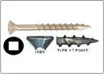
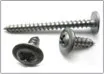
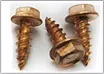
Depending on what your fastening needs are, you may find yourself buying different types of fasteners, zip screws or Tek screws that are made of stainless steel. It is one of the most common materials to use in projects because of its many benefits.
All Points Fasteners has the stainless steel fasteners you need for your next job — contact us about your fastener needs today.
What Is Stainless Steel?
Stainless steel fasteners, such as stainless zip screws and stainless Tek screws, are made of an iron and carbon alloy steel that has been mixed with at least a 10% compound of chromium. Chromium is essential in making stainless steel because it provides the passive oxide layer, which helps stainless steel screws resist rust. Stainless steel may also contain other metals, such as carbon, silicon, nickel, molybdenum and manganese. These other elements are what bring about stainless steel’s great qualities in building and other uses.
All of these advantages make stainless steel one of the best fastener materials available.
Types of Stainless Steel
Though stainless steel is such a popular fastener material, many contractors don’t know that there are several types of stainless available to use. For simplification, we will categorize the types into two different groups:
- Magnetic stainless: Magnetic stainless screws have a small amount of carbon steel in them. It is common for self-drilling screws (Tek screws) to be made with magnetic stainless. A common magnetic stainless is 410 stainless because it is hardened for self-drilling capabilities.
- Non-magnetic stainless: Non-magnetic stainless screws still work great for many projects, though you lose the convenience of using magnetic drivers for installation. Non-magnetic screws are commonly 18-8 stainless, which means it is made up of 18% chrome and 8% nickel.
Benefits of Stainless Steel
Stainless steel fasteners are a quality product that will help you get the job done right the first time. There are many advantages to choosing a fastener made of stainless steel. The benefits include:
- Resistance to rusting and corrosion: If you need screws that hold up against rust, stainless steel is a good choice. The chromium mixed into the steel helps it resist rust and corrosion. This quality makes stainless steel fasteners great for outdoors or other conditions where there is a lot of water and moisture. Non-magnetic stainless is the choice for jobs that cannot have any rust, because it has no carbon steel to pick up surface rust.
- Long-lasting: The small amount of carbon in magnetic stainless fasteners may give them slight surface rust, yet the screws themselves won’t rust through. This property allows them to last longer than many other kinds of materials. For our customers, many of whom are gutter contractors, we offer 410 stainless with an added rust-resistant coating to give the fasteners an even longer life span.
- Durable in harsh conditions: Stainless steel holds up against rust in wet and corrosive conditions. It resists corrosion far longer than carbon steel, though no fastener lasts forever.
- Harder drill point: The carbon steel in magnetic stainless makes it harder, which helps the point drill its own pilot hole.
- Easy installation: You can use magnetic drivers to drive the screws, such as magnetic hex drivers, which makes installation much easier.
- Low maintenance: In addition to its corrosion resistance, stainless steel also resists scratches and is easy to clean, making it easier to use for jobs.
- Welding capabilities: If you want to weld your stainless steel fastener, you can. The material welds easily and effectively.
- High availability: Because stainless steel is a popular material, it is easy to find it in the kind of fastener you need from retailers like All Points Fasteners.
- Cost value: Stainless steel fasteners may have a higher price at purchase, but because they last longer, they are more valuable long-term.
How Well Do Stainless Steel Screws Resist Rust?
When it comes to rust-resistant fasteners, stainless steel and ceramic coated screws are the two to look at. Stainless steel screws contain certain properties that allow them to withstand harsh outdoor elements to greater effect. As a result of their rust-resistant design, stainless steel fasteners see use in many outdoor projects.
Continue reading to learn more about the qualities that help stainless steel screws resist rust and the jobs they easily accommodate.
What Makes Stainless Steel Screws Rust Resistant?
Stainless steel fasteners feature unique qualities that result in greater rust resistance than nearly any other variety. The major difference between stainless steel screws and other rust-resistant options is that these fasteners are solid stainless, where others feature a stainless coating on top of a different material. A simple answer is that there are basically two different types of stainless when dealing with screws. 410 stainless (includes some carbon steel, which makes it harder and magnetic) and 18-8 (includes all the 300 series of stainless and is non-magnetic).
Stainless steel screws originate from the steel industry’s peak in the early 1900s and have grown to include a few different formulas over time, the most common being ferritic, austenitic and martensitic. These varieties are characterized by their content of minerals like chromium, nickel, titanium and copper.
Stainless steel screws achieve elevated rust resistance thanks to their chromium-oxide composition. Fasteners with a chromium oxide coating provide extra resistance to rust and corrosion by using the added oxygen as a protective layer. The chromium oxide coating can deteriorate as contaminants settle on the screw’s surface, but rainwater washes these contaminants away and preserves the fastener’s protective layer. As a result, stainless steel screws are a good fit for outdoor work. Ceramic coated screws are the other outdoor choice.
Uses for Stainless Steel Screws
Manufacturers use stainless steel to develop multiple types of fasteners that serve different purposes. Because they resist rust,
stainless steel screws find use in numerous applications and are especially useful outdoor projects. If you’re building something that will face prolonged exposure to rain and other weather conditions, stainless steel fasteners are an excellent option. From building decks to outdoor furniture, sheds, lawn decorations and more, stainless steel screws boast weather-resistant qualities that make them a popular choice outdoors.
Are There Other Rust-Resistant Screws?
Stainless steel is not the only rust-resistant choice. Ceramic-coated screws are the other one All Points recommends for outdoor use. The most notable substitute for stainless steel screws are screws that are ceramic coated. Ceramic-coated screws are salt spray tested to 1000 hours (ASTM B117) and hold up well outdoors. Ceramic-coated screws also cost less than stainless steel.
Contact All Points Fasteners for Your Fastener Needs
For screws that hold up against rust, call All Points Fasteners, Inc. We have everything you need for your work in HVAC, roofing, construction or other jobs that need quality parts. If you do not see what you need, we will find it for you, even if it is uncommon. The team at All Points wants to make sure you get what you need quickly to get the job done.
Contact us today to discuss your fastener needs. Request a quote on our website or give us a call at 800-483-6354.